Five of Swords
Subtitle
Tension disrupts thought and truth, demanding adaptation and resilience.
Introduction
The Five of Swords highlights conflict, tension, and avoiding a hollow victory. In Swords, disruption shows up through the mind: perception, communication, truth, and the ways language can clarify or wound.
This card often appears when a situation becomes competitive, defensive, or zero sum. It can describe an external conflict, and it can also describe an inner stance, where the need to be right overrides the need to be wise.
Consider what is the clearest truth you can name, and what conversation or boundary would support it.
Interpretation
A card’s meaning is not fixed. It describes a pattern with a range of expression. Every card has a neutral core, along with light and shadow expressions of that core.
Core Meaning
Below, we explore this card's central meaning in a neutral and flexible way.
The Five of Swords describes conflict that reveals intent. It can show disagreement turning personal, strategy replacing trust, or truth being used as leverage. The core pattern is disruption through rivalry: the mind separates, draws lines, and tests what you will sacrifice for control, validation, or victory.
Light Expression
The section explores the light expression of this card, how this pattern tends to show up when it is expressed clearly and constructively.
In light, the Five of Swords is strategic clarity that protects self respect. You recognize when conflict is unproductive, choose your battles, and refuse to keep playing a game that corrupts your values. It can look like disengaging from a toxic dynamic, resetting terms, naming a boundary, or telling the truth without trying to humiliate anyone.
Shadow Expression
The section explores the shadow expression of this card, how this pattern can show up when it is stressed, distorted, or avoided.
In shadow, conflict becomes win at all costs. Words turn into weapons, and the goal becomes dominance, humiliation, or revenge. This can show up as bullying, sabotage, betrayal, or refusing accountability while insisting on being right. Even if you win, the aftermath can be isolation, distrust, and a scorched landscape.
A Note on Reversals
If you read reversals, this section describes how the card’s expression may shift when it appears reversed.
Reversed, the Five of Swords often suggests a turning point in conflict. It can indicate remorse, a desire to repair, or a willingness to step out of the battle and choose a cleaner outcome. It may also point to unresolved tension that has gone quiet but still shapes communication, asking for honest repair rather than avoidance.
Reflection
Questions to help you connect this card to your situation with clarity and honesty.
What am I trying to win, and what might I lose if I pursue it this way?
Where is ego driving this conflict, and what would integrity ask instead?
What boundary would protect my self respect without escalating the fight?
What outcome would feel clean afterward, even if it is not satisfying in the moment?
Guidance
Practical advice and personal statements for working with this card in a grounded, flexible way.
Affirmations
Choose an outcome you can live with, not just one you can defend.
I value integrity more than being right.
I speak clearly without trying to wound.
I choose boundaries that protect my peace and my principles.
Admonitions
Do not mistake dominance for strength.
I do not use truth as a weapon.
I do not chase victory that costs me my values.
I do not stay in battles that corrupt my character.
Classification
Five of Swords is a Minor Arcana card, which describes day to day situations and how a theme plays out in real life. Swords relate to intellect, communication, conflict, and clarity. The Five brings disruption and challenge into that realm, showing friction, confrontation, and the sharpening of boundaries and motives. Together, this card points to power struggles, harsh communication, and the question of what outcome is worth the cost.
Related Cards
Below, you'll find a list of related cards. You can also filter by theme.

Four of Wands
Represents a milestone, shared celebration, and a stable foundation that supports belonging.

Nine of Cups
Represents emotional satisfaction, contentment, and the pleasure of enough at a peak moment.

King of Pentacles
Stewardship, stability, and material leadership.

Seven of Wands
Represents defending your position, perseverance under pressure, and holding clear boundaries.

Page of Swords
Curiosity, observation, and truth-seeking communication.

Six of Pentacles
Represents reciprocity, support, and fairness in the flow of resources and care.

Four of Swords
Represents a mental pause, restorative rest, and perspective regained through recovery.
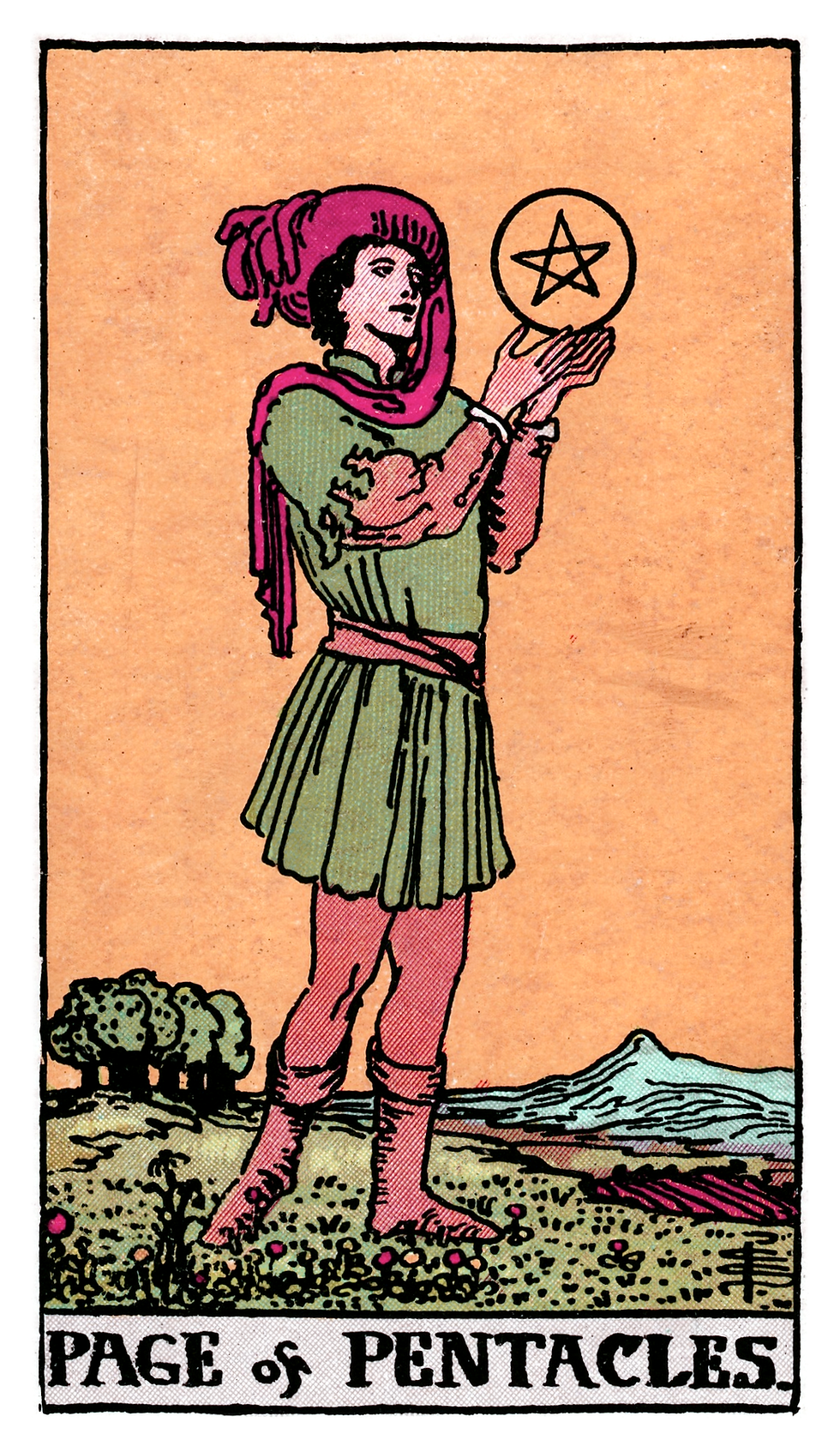
Page of Pentacles
Learning, curiosity, and practical beginnings.

Six of Cups
Represents nostalgia, tenderness, and reconnection that supports emotional healing.

Seven of Cups
Represents many options, strong desire, and the need for discernment between reality and illusion.

Seven of Swords
Represents strategy, discretion, and hidden motives that require ethical clarity.

Eight of Cups
Represents leaving the familiar, emotional maturity, and seeking deeper meaning.

Knight of Pentacles
Steady progress, responsibility, and follow-through.

Seven of Pentacles
Represents evaluation, patience, and long term investment in work, resources, and health.

Four of Pentacles
Represents consolidation, boundaries, and the desire for security in work, resources, and the body.

Three of Cups
Represents friendship, shared joy, and emotional support through community.

Ace of Swords
A new beginning of clarity, truth, and decisive thought.
Eight of Swords
Represents restriction, fear, and the reclaiming of agency through clarity and perspective.

Nine of Wands
Represents resilience, persistence, and guarded strength near the end of a demanding cycle.

Knight of Swords
Decisive action, conviction, and direct communication.

Ten of Pentacles
Represents legacy, shared prosperity, and long term stability built through family, community, and stewardship.

Ten of Cups
Represents emotional harmony, belonging, and shared love rooted in mutual support and aligned values.

Eight of Pentacles
Represents practice, craftsmanship, and steady improvement through focused effort.

Eight of Wands
Represents acceleration, messages, and fast progress once energy is aligned.

Queen of Pentacles
Grounded care, resourcefulness, and practical abundance.

Two of Pentacles
A card of practical balance, juggling demands, and managing resources with flexibility.

Ten of Swords
Represents hard closure, painful endings, and the truth that clears the way for renewal.

Queen of Swords
Discernment, clear boundaries, and honest clarity.

Four of Cups
Represents a reflective pause, reassessment of desire, and the choice to engage or withdraw.

Knight of Cups
Romantic pursuit, invitations, and heartfelt action.

King of Wands
Visionary leadership, discipline, and purposeful action.

Three of Wands
Represents expansion, foresight, and outward growth through committed effort.

King of Cups
Emotional mastery, diplomacy, and calm integrity.

Three of Swords
Represents painful clarity, grief, and separation that begin the work of healing.

Page of Cups
Tender messages, creativity, and emotional openness.

Six of Wands
Represents recognition, encouragement, and visible progress after sustained effort.

Six of Swords
Represents transition, relief, and a mental passage toward calmer conditions.

Five of Wands
Represents competition, friction, and creative tension that demands focus and coordination.

Queen of Wands
Warm confidence, creativity, and magnetic leadership.

Knight of Wands
Bold pursuit, momentum, and passionate initiative.

Ten of Wands
Represents heavy responsibility, overload, and the need to simplify and delegate.

Nine of Pentacles
Represents self sufficiency, refinement, and the enjoyment of stability earned through steady effort.

Two of Wands
A card of vision, planning, and choosing a direction for your energy.

Queen of Cups
Empathy, intuition, and emotionally steady support.

King of Swords
Principled logic, ethics, and strategic authority.

Page of Wands
New inspiration, exploration, and creative courage.

Two of Cups
A card of mutual connection, trust, and reciprocity.

Five of Pentacles
Represents material strain, vulnerability, and the need for support and practical care.

Five of Cups
Represents grief, disappointment, and the slow return of perspective after loss.

Three of Pentacles
Represents skill, collaboration, and steady progress through shared standards.

Nine of Swords
Represents anxiety, rumination, and the need for compassion and truth to restore perspective.

Two of Swords
A guarded pause that asks for discernment, boundaries, and a clear choice.

Ace of Pentacles
Represents new material opportunities, resources, or foundations.

Ace of Cups
A fresh opening of the heart, inviting love, intuition, and emotional renewal.

Ace of Wands
A spark of inspiration and vitality, inviting a bold and purposeful beginning.

Five of Swords
Represents conflict, power dynamics, and the cost of a hollow victory.
There are no cards matching those filters.
Conclusion
Seen clearly, the Five of Swords describes disruption that tests integrity, and asks you to choose what kind of truth and power you are willing to live with afterward.
Editorial
These fields control how this item appears in lists (Snippet/Teaser) and in search engines (Meta Description). Visible only to Editors.
Snippet
A short line used when the surrounding context already explains what this is. Aim for a quick statement, not a full description.
Represents conflict, power dynamics, and the cost of a hollow victory.
Teaser
The default preview text for repeaters, browse pages, and internal search. Write 1–2 sentences that stand alone and make someone want to click.
The Five of Swords points to tension that exposes motives and the price of winning. It can also highlight the wisdom of disengaging, setting terms, and choosing integrity over dominance.
Meta Description
Used for search engines and social previews. Summarize the page in ~150–160 characters, include the key term naturally, and avoid quotes or line breaks.
Five of Swords meaning: conflict, power dynamics, and integrity under pressure, with light and shadow expressions, reversals, reflection questions, and guidance.